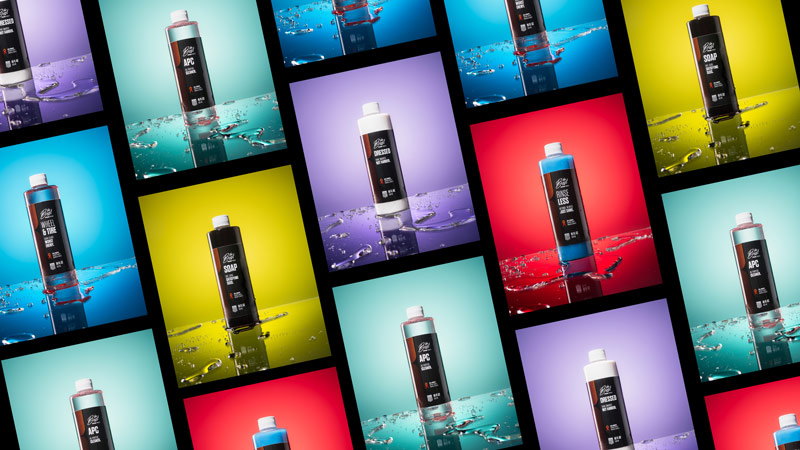
This is where things become more practical.
Because once you understand what your brand imagery is communicating, the next step is learning how to shape it intentionally. 1
The easiest way to do that is by breaking your visual identity into a few core building blocks. These are the decisions that quietly define how your brand feels every time someone encounters it.2
Let’s go step by step.
The First Layer: Overall Feel
Before anything else, there’s the overall feeling your imagery gives off.
This is the foundation everything else builds on – lighting, styling, posing, and editing all flow from here.
It’s often defined through mood, energy, and level of formality.
What Mood Should Your Images Create?
At first glance, how should your brand feel?
Light, bright, and airy – like a sun-filled morning?
Or rich, moody, and dramatic – like a candlelit evening or an intimate dinner setting?
A helpful way to sense this is to think about your real-world customer experience.
When someone interacts with your brand, what do they feel?
Open, calm, and welcomed?
Or elevated, intentional, and immersive?
Wellness brands, cafés, and lifestyle businesses often lean toward softness and light.
Restaurants, cocktail bars, or luxury experiences often feel more aligned with deeper contrast and mood.


What Energy Does Your Brand Give Off?
Beyond mood, there’s energy.
Some brands feel grounded and calm. Others feel bold, active, and full of movement.
Think about your customer’s experience:
Are they slowing down and settling in?
Or are they moving quickly, feeling energized, and engaged in motion?
A spa or boutique hotel might lean into calm, restorative energy.
A fitness brand, brewery, or fast-paced restaurant often feels more dynamic and expressive.
Neither direction is better – it’s simply about alignment.


How Polished or Casual Should Your Brand Imagery Feel?
This is where many brands start to refine their personality.
Do you want your imagery to feel natural and candid like moments captured as they unfold?
Or more elevated and intentional like something designed for a magazine feature?
Think about what your audience expects from you.
Some brands build trust through authenticity and behind-the-scenes moments.
Others communicate value through polish, structure, and refinement.
Both approaches are valid – they just tell different stories.
Now that you’ve started thinking about the overall feel of your imagery, let’s look at some of the visual elements that help create that feeling.


Lighting: One of the Fastest Ways to Shape Brand Personality
Once your overall feel is defined, lighting becomes one of the clearest ways to reinforce it.
Soft, even lighting with gentle shadows tends to feel approachable and calm.
Directional lighting with stronger contrast creates depth, drama, and editorial energy.
If your brand leans toward ease, clarity, and warmth, softer light will usually support that well.
If your brand leans toward intensity, sophistication, or mood, stronger light can enhance that direction.
Lighting often goes unnoticed – but it’s always felt.


Warm or Cool?
Color temperature subtly shapes emotional perception.
Warm tones – like golden sunlight or cozy interiors – feel inviting, familiar, and human.
Cool tones – like crisp whites or cooler shadows – feel clean, modern, and refined.
This often comes down to emotional intent:
Do you want to feel warm and welcoming?
Or crisp and minimal?
Even subtle shifts in temperature can meaningfully change how your brand is perceived.


Muted or Vibrant?
Color intensity plays a different role.
Muted tones feel calm, timeless, and understated.
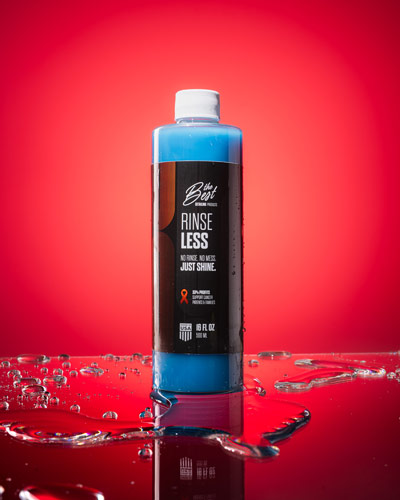
Vibrant tones feel expressive, energetic, and attention-grabbing.
A brand built around simplicity and craft often benefits from restraint.
A brand built around excitement or bold personality often benefits from color that stands out.

Composition: How Framing Shapes the Viewer’s Experience
Composition determines how your audience experiences the image – not just what they see, but how they feel within it.
Some images create distance and simplicity through open space and minimal framing.
Others draw you in through tight detail and immersive perspective.
A skincare brand, for example, may benefit from clean, minimal composition to emphasize clarity and calm.
A restaurant may lean into tighter framing to highlight texture, movement, and sensory detail.


Do Your Images Need People?
Not every brand needs people – but when used well, they can completely change how your audience connects.
Ask yourself whether your product or service communicates clearly on its own, or whether it becomes more compelling when shown in use.
Objects alone can feel clean and focused.
People introduce story, emotion, and relatability.
Even something as simple as food becomes more powerful when you see it being enjoyed.


Candid Moments or Camera-Facing?
If people are part of your imagery, the next layer is presence.
Candid moments feel natural and observational—like you’re witnessing real life unfold.
Camera-facing moments feel intentional, direct, and brand-forward.
A helpful way to decide is to think about what your audience needs most:
Do they need to see themselves in the experience?
Or do they need to clearly understand the brand behind it?


Where Should Your Brand Live: Real Life or a Polished Studio?
Environment plays a major role in shaping perception.
Real-world spaces – like storefronts, kitchens, or workspaces – feel authentic and grounded.
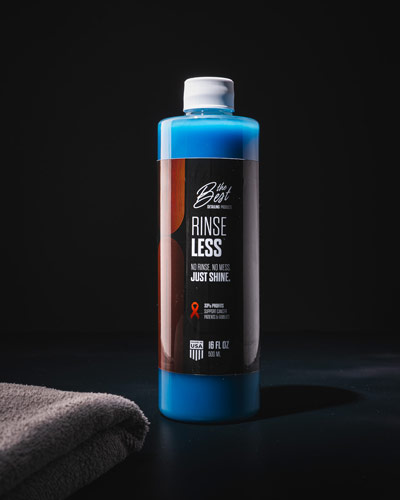
Controlled environments, like studios, feel refined, intentional, and focused.
A behind-the-scenes approach builds transparency and trust.
A studio approach removes distraction and puts full attention on the subject.
Both are powerful depending on the story you want to tell.

Simple and Focused or Layered and Detailed?
Once the environment is set, styling becomes the next layer.
Some images benefit from simplicity – clean framing, minimal props, and clear focus.
Others benefit from layering – context, texture, and supporting details that build a fuller story.
Minimal styling creates clarity.
Layered styling creates depth.
If your message is direct, simplicity works well.
If your brand has a strong sensory or storytelling element, layering can bring it to life.


The Final Polish That Ties Everything Together
Editing is the final layer that brings everything into alignment.
It’s often subtle, but it has a powerful impact on how cohesive your brand feels.
Even small inconsistencies – like heavy contrast on one set of images and soft tones on another – can create a sense of disconnection.
When lighting, styling, and editing all work together, the result feels seamless and intentional.
The key question becomes:
Do you want your imagery to feel true-to-life and natural – or more stylized and refined?
Bringing It All Together
When you begin defining these elements – mood, energy, lighting, color, composition, environment, and editing – you start to build a clear visual language for your brand.
Individually, each decision may feel small. But together, they shape how your audience experiences you at a glance.
And once that language is consistent, everything becomes easier:
photoshoots feel more intentional, creative decisions feel clearer, and your brand becomes instantly more recognizable.
If you’re beginning to think about how your brand’s imagery could better reflect who you are, a thoughtfully planned brand photoshoot can be a powerful next step in bringing that vision to life.
And if you’d like support translating your brand into imagery that feels cohesive, intentional, and aligned – we’d love to help you explore that.