Commercial brand photography always includes commercial photo licensing. It’s completely normal within the industry. But almost every week, a conversation with a new client hits a snag right when we mention it.
The word does the damage before the explanation even starts. People hear “licensing” and picture fine print, hidden fees, a lawyer they don’t have. So they hesitate. Some walk away entirely.
Here’s the truth: licensing isn’t meant to be scary. It protects you and the photographer. It clarifies exactly how your images can be used. And in a lot of cases, it saves your business money.
Let’s break down what it actually is, and why it works in your favor.
What Commercial Photo Licensing Actually Covers
A license isn’t a leash. It’s a boundary.
When you hire a photographer for commercial work, you’re not buying a physical photo the way you’d buy a print for your wall. You’re buying the right to use that image in specific ways: on your website, in your Instagram feed, in a print ad, on packaging. The license spells out where, how long, and how broadly.
That’s it. It’s not unlimited liability. It’s not a subscription you forgot to cancel. It’s an agreement that says: here’s exactly what you can do with this image, and here’s what falls outside that.
Without a license, you technically don’t have the right to use the photo at all, no matter who paid for the shoot. The license is what turns a photo into something you can legally put your name on.
One distinction trips people up more than any other: paying for a shoot doesn’t mean you own the photos the way you’d own a piece of furniture. The photographer retains copyright. What you’re licensing is the right to use the images, not the copyright itself. That’s not a technicality designed to keep you dependent on your photographer. It’s the same structure behind every commercial photo, illustration, and piece of licensed music you’ve ever seen a business use. It’s just rarely said out loud.
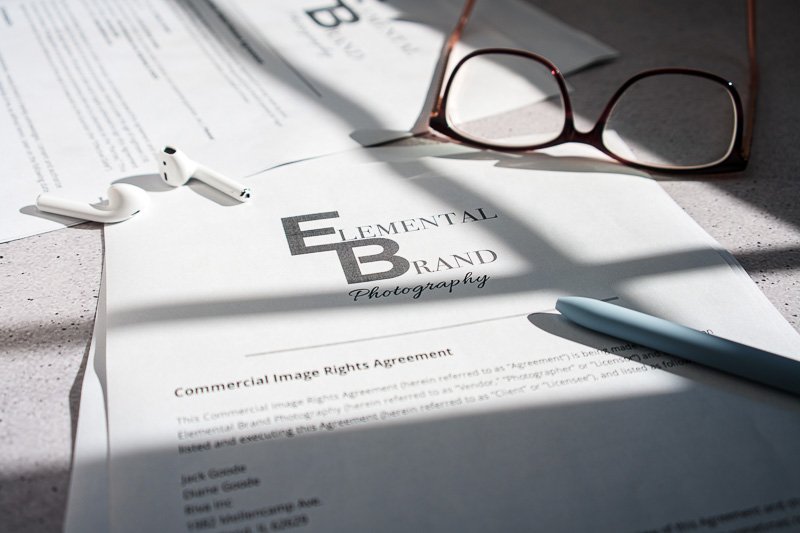
Here’s the part that actually works in your favor: under US copyright law, the photographer owns the copyright to an image automatically, the moment it’s created, whether or not a license is ever put in writing. That’s true regardless of who paid for the shoot or whose product is in the photo. Without a license, you don’t just have unclear rights, you have none. You’d be relying entirely on the photographer’s goodwill to keep letting you use images you already paid for (learn more about US Copyright law at https://www.copyright.gov/what-is-copyright/).
A license changes that. It’s not a restriction being placed on you, it’s the document that hands you a defined, enforceable right to use the images, one that doesn’t evaporate if the photographer becomes unresponsive, changes their mind, or closes up shop. The license is what protects you from a bad-actor photographer, not the other way around.
How We Handle Licensing Fees
Since we’re talking about hidden fees being part of the fear, here’s where we stand: for most standard commercial use, licensing isn’t a separate line item on your invoice. It’s already built into the cost of the shoot. You’re not being upsold on something you assumed was included.
If that ever changes, if a specific project calls for an expanded or exclusive license that carries an added fee, we’ll say so plainly, upfront, before you book. Not quietly folded into a rate increase later. You’ll know exactly what you’re paying for and why, every time.
Why Commercial Photo Licensing Is an Industry Standard
Every professional photography relationship runs on licensing because it protects both sides of the table.
For you, it means clarity. You know precisely what you’re allowed to do with your images, so there’s no gray area if your marketing team wants to run an ad six months from now, or your web designer wants to use a shot in a way nobody discussed at the shoot.
For the photographer, it means the work stays tied to its original scope. A photo taken for your Instagram wasn’t priced the same as a photo licensed for a national ad campaign, because the value of the image changes depending on how far it travels. Licensing keeps that math honest.
This isn’t a photographer trying to control you. It’s how commercial work has functioned for decades, across every industry that hires photographers, illustrators, or designers. If a studio isn’t offering you a license, that’s the actual red flag, not the other way around.
How Commercial Photo Licensing Benefits You
This is where the fear usually turns into relief once people see the numbers.
Say you need photos for your restaurant: menu shots, seasonal specials, a refreshed website gallery. If you license those images specifically for your business, you’re paying for exactly what you need. No more, no less.

Compare that to stock photography or an unlicensed image pulled from somewhere online. It looks free, until your business gets flagged for using an image without rights, and you’re facing a takedown notice or a settlement demand that costs far more than a proper shoot would have.
Licensing also protects you as your business grows. If you expand from one location to five, or move from local ads to a broader campaign, your license tells you immediately whether your existing images cover that use or whether it’s time for an upgrade. No guessing. No exposure.
And because the terms are clear from day one, there’s no awkward renegotiation later. You know what you have. You know what it’s for. You can plan around it. If you want to know how our services work with the licensing to create stronger marketing material for your brand, see our services.
What Happens Without the License
Skip the license, and the risk doesn’t disappear. It just waits.

Maybe you use a photo beyond what was originally agreed to, without realizing it. Maybe a new hire pulls an old image for a use nobody cleared. Most of the time, nothing happens. But when it does, it tends to be expensive: legal exposure, a rushed reshoot on a deadline, a photographer who can’t grant retroactive rights for how the image was already used.
A license is what prevents that from ever becoming your problem.
If Your Photographer Never Brings Up Licensing
Here’s a detail worth paying attention to: if a commercial photographer never mentions licensing at all, that’s not a sign of a simpler process. It’s a sign the process hasn’t been thought through.
A licensing agreement is what protects you if a question ever comes up later. Without one, there’s no document defining what you’re allowed to do with your own images. If a dispute happens, whether it’s over a reprint, a new ad placement, or someone else using your photos without permission, you have nothing to point to.
It’s worth asking directly, early: “What does the license on these images cover?” A photographer who has an answer ready is running a real business. A photographer who hasn’t thought about it is asking you to take on a risk they haven’t bothered to define.
What Happens When a License Expires?

This is usually the question underneath the fear, even when people don’t ask it outright. If a license has a term, and that term ends, do you have to take everything down? Repaint the sign? Burn the menus?
No. An ending license doesn’t reach backward.
Almost every commercial license is written around continued use going forward, not around erasing what’s already out in the world. If your license was for two years and it lapses, your existing website, your printed menus, your past social posts, none of that becomes retroactively illegal. You made those uses while the license was active, and that’s what the license was for.
What changes is future use. Once a license expires, you’d generally need to renew it before printing a new batch of menus, launching a new ad using those photos, or putting the images somewhere new. The images themselves don’t become off-limits overnight, and reputable photographers aren’t sending cease-and-desist letters over a menu that’s still in circulation from before the term ended.
The real takeaway: license terms exist to define an active window for new use, not a countdown to a fire drill. If you’re ever unsure what your specific agreement covers, the fix is simple. Ask your photographer directly. A good one will walk you through it in plain language, the same way this should have been explained from the start.
A Few More Common Questions
Can the photographer use my photos in their own portfolio or marketing? This is worth asking directly, and worth a straight answer up front rather than assuming. Reputable photographers are clear about it before the shoot, not after you spot your product on someone else’s Instagram.
Can I get exclusive rights, so competitors can’t use the same images? For most clients, this isn’t a concern, since a session is shot specifically for one business anyway. But for product brands especially, it’s a fair question. Exclusivity is usually its own tier, priced above a standard license, not something hidden behind a standard agreement.
Can I edit, crop, or repurpose the photos myself? Small, practical, and worth settling before it becomes an awkward mid-project question. Most standard licenses allow reasonable cropping and resizing for your own use; anything more involved is worth a quick check.
What About AI Images or Stock Photos?
At some point, almost every business considers skipping photography altogether. AI image generators are everywhere now, and stock photo sites are cheap and instant. It seems like the obvious workaround: no licensing conversation, no shoot to schedule, no wait.
But that shortcut costs more than it looks like it saves.
Stock and AI images are, by definition, generic. They weren’t made for your brand. They weren’t shot in your restaurant, with your product, under your lighting. The moment a customer sees the same “artisan coffee shop” stock photo on three other websites, or notices an AI-generated dish that doesn’t quite match anything on your actual menu, the trust you were trying to build starts working against you instead.
There’s also a licensing conversation hiding inside “free” stock and AI images, it’s just less visible. Stock sites still have usage terms, and plenty of businesses have been caught using an image outside the plan they paid for. AI-generated images carry their own unresolved questions: how the models were trained, who legally owns the output, and whether a competitor could generate something nearly identical to what you’re using as your brand identity. None of that is settled law yet, and “unsettled” is a risky place to plant your brand.
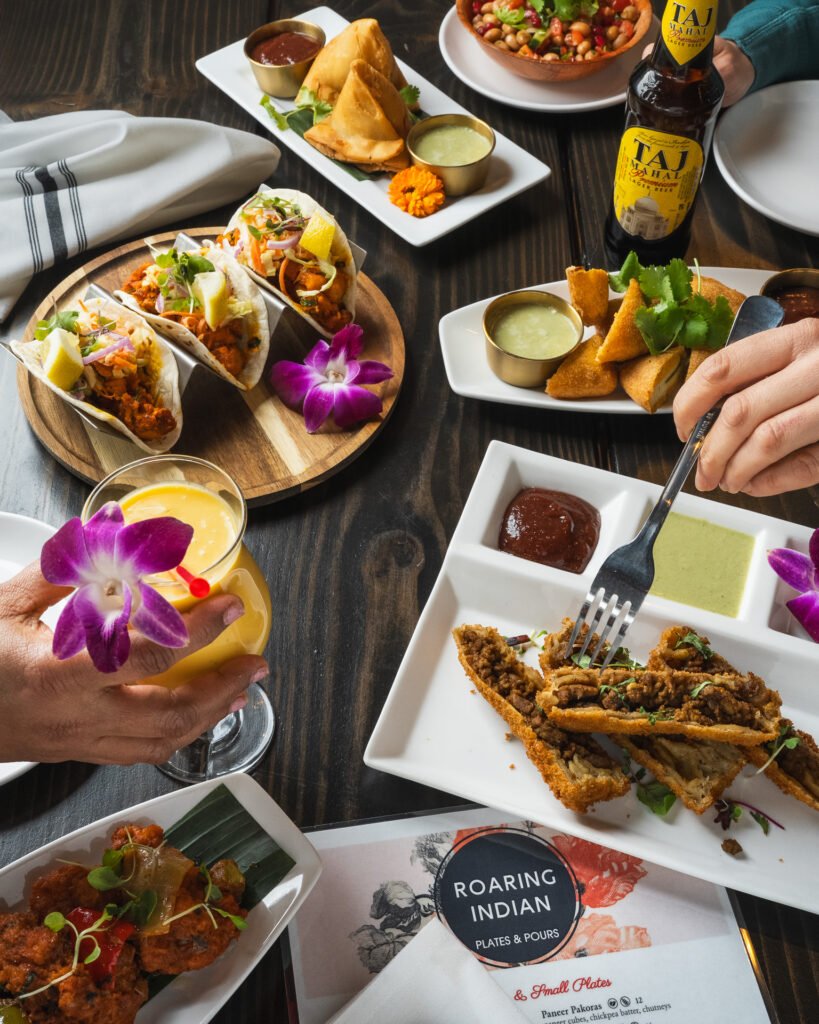
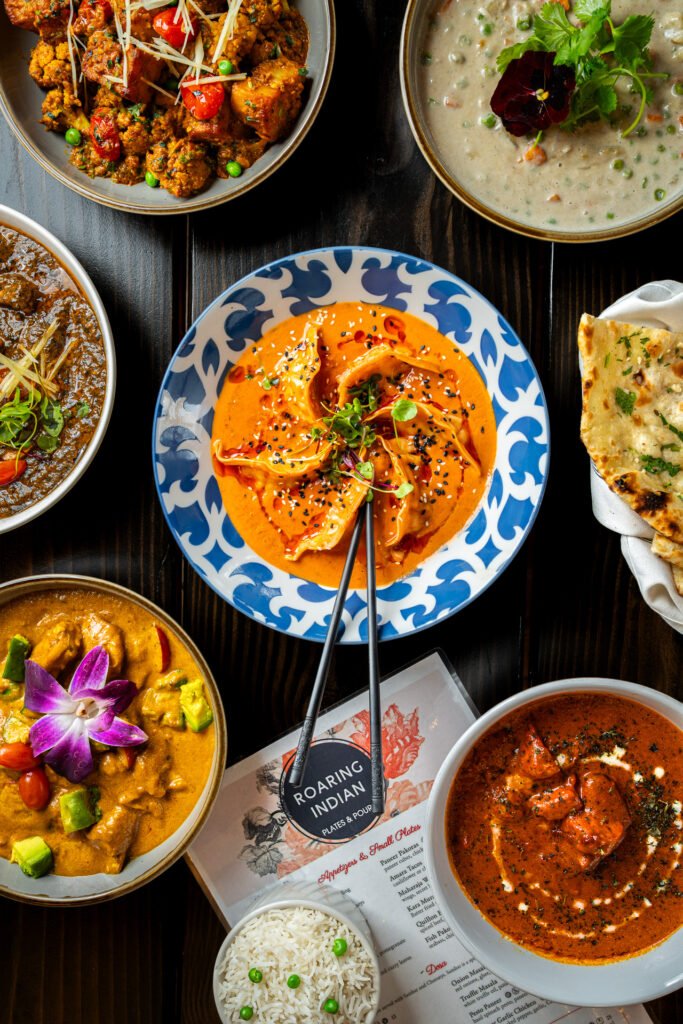
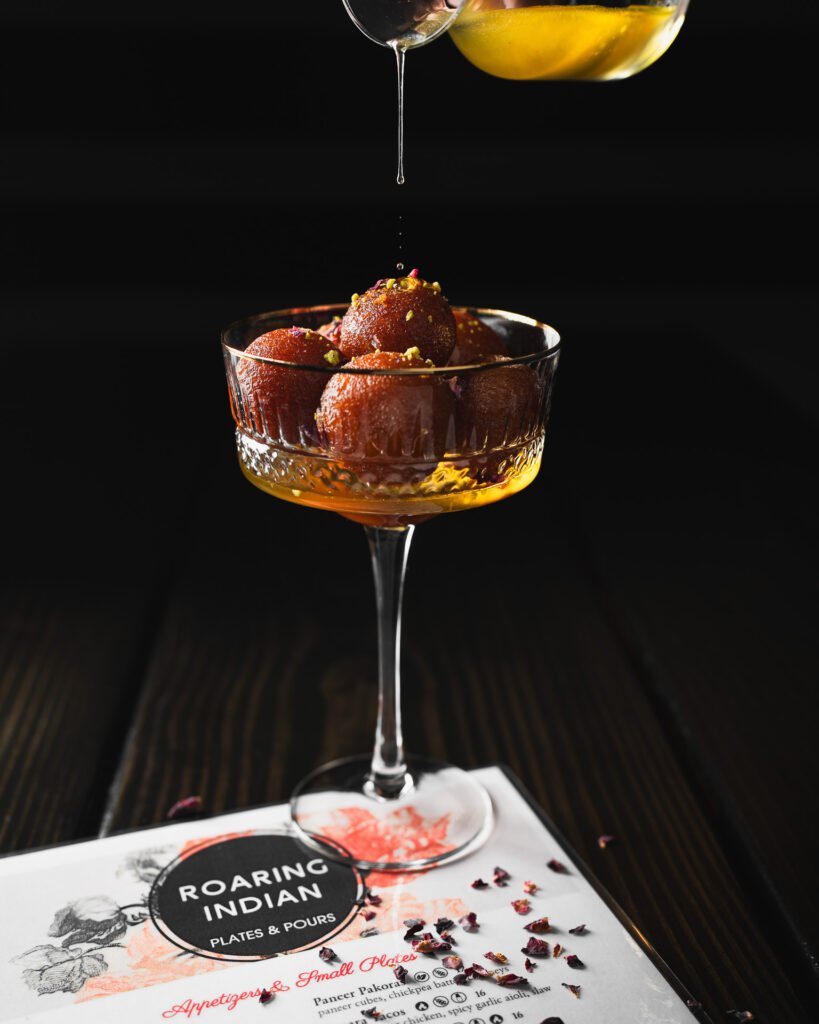
And none of it solves the actual problem. Your product, your space, your food, your people, that’s what makes your brand recognizable. A stock photo or an AI rendering can’t show any of that, because it was never there to begin with.
Licensed photography costs more upfront than a stock subscription or an AI prompt. But it’s the only option that gives you something a competitor can’t also have: images that are actually, specifically, unmistakably yours. If you want to see how we created images for past clients that show up authentically as each brand, see our portfolio.
The Bottom Line
Licensing isn’t the obstacle. It’s the part of the process that makes everything after the shoot simple. You know what you own, what it’s for, and how far it goes.
That’s not a barrier to working with a photographer. That’s what working with one, professionally, is supposed to look like.
Now that you understand how licensing benefits you, let’s talk about how we can get more for your brand with powerful, brand-specific imagery! Schedule your complimentary consultation here.