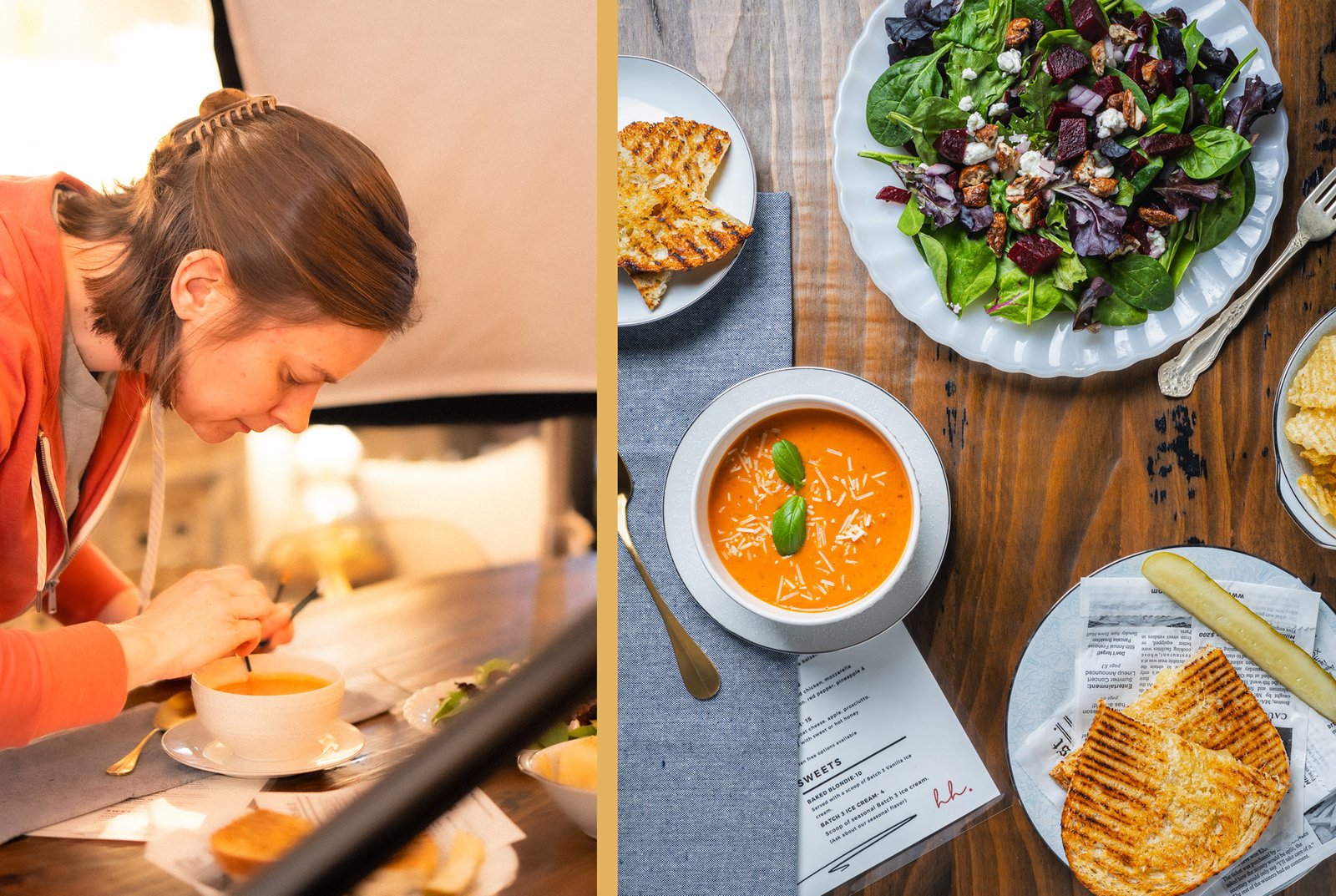
Most people think a brand photoshoot starts when the photographer arrives with a camera.
It doesn’t.
In reality, the camera is one of the last tools used in the process.
Long before the first photograph is taken, dozens of decisions have already been made.
The business goals are clear.
The visual style has been defined.
The products have been selected.
The wardrobe has been coordinated.
The day of timeline has been built.
The must-have images have been identified.
By the time the camera comes out, everyone already knows what success looks like.
That’s because great brand photography isn’t created just on shoot day.
It’s created in the weeks leading up to it – it’s created by planning what a successful brand photoshoot will accomplish upfront.
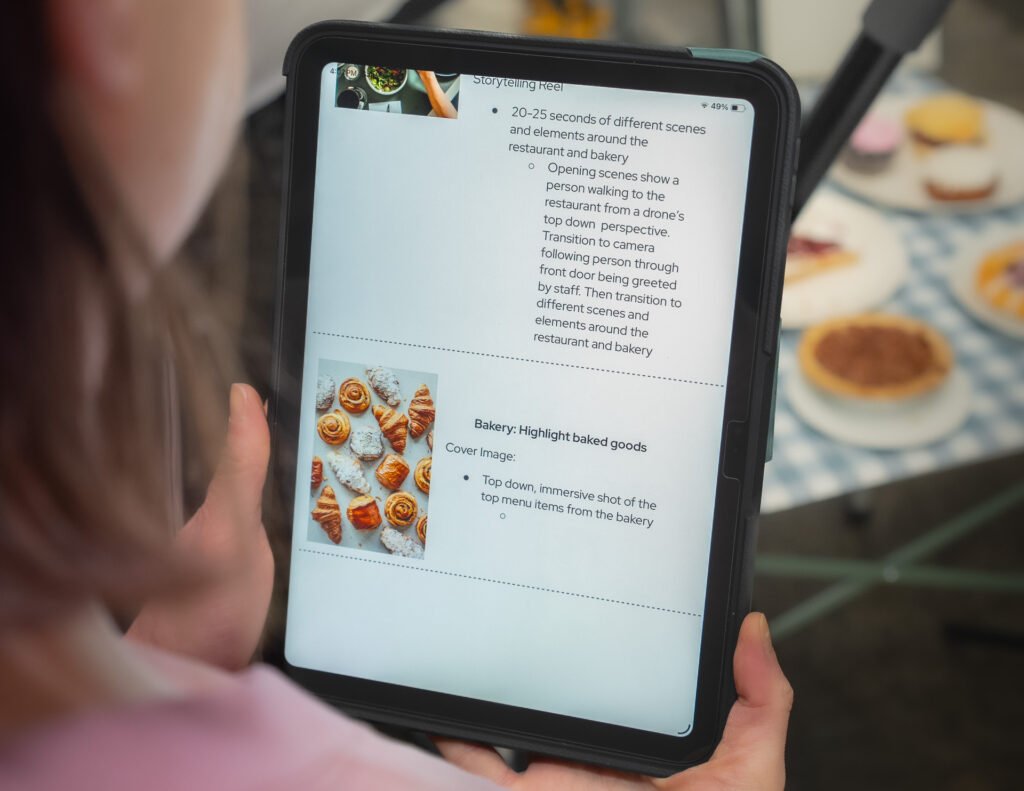
If you’ve never worked with a professional brand photographer before, this planning process might surprise you. But it’s also one of the biggest differences between receiving a gallery full of beautiful photos and receiving a collection of images that truly support your business.
Great Photography Isn’t An Accident – It’s In The Plan
Imagine investing in professional photography only to realize afterward that you don’t have an image that works for your website’s homepage.
Or discovering that every photo is horizontal when your marketing team needs vertical images for Instagram Stories.
Or realizing there’s no room in your photos to add headlines for future advertisements.
Those aren’t photography problems.
They’re planning problems.
Beautiful images don’t automatically become effective marketing assets.
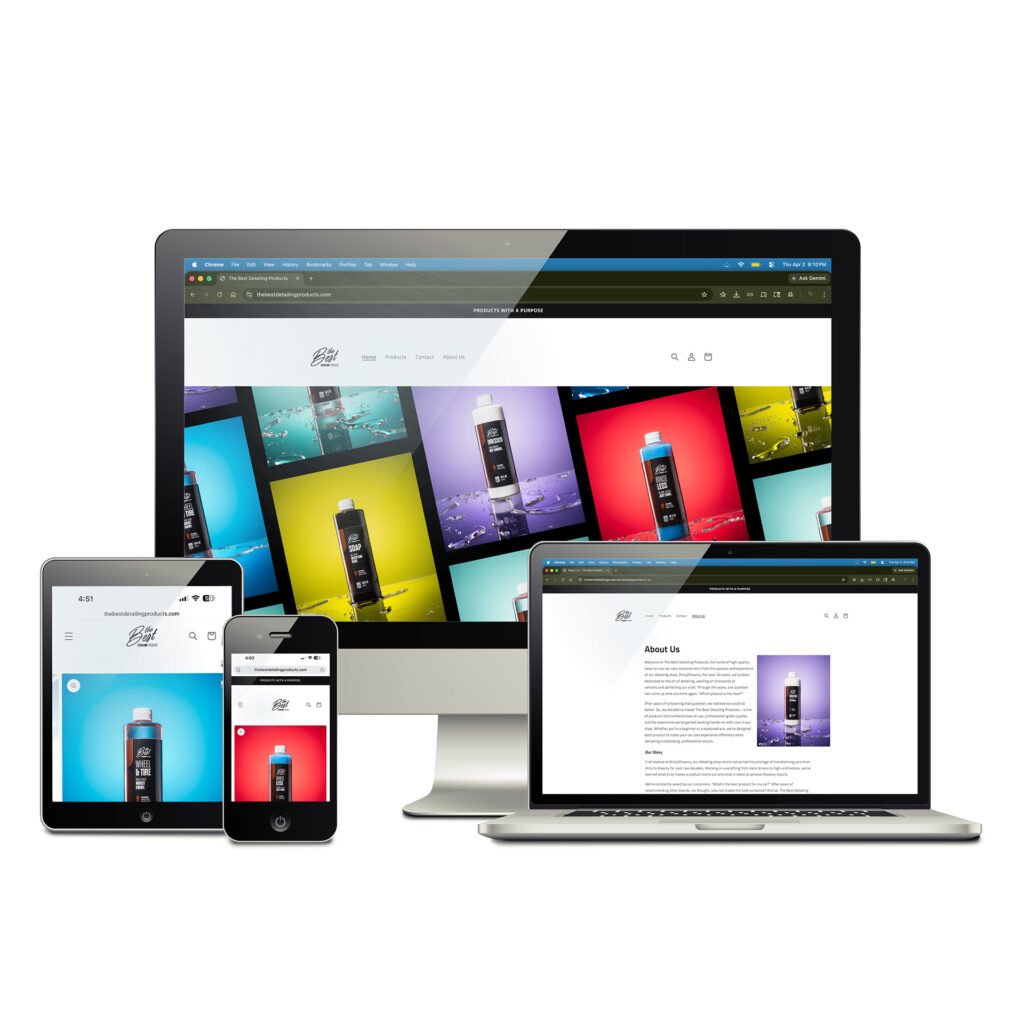
The most valuable photographs are created with a purpose before they’re ever captured.
That’s why planning isn’t an extra step.
It’s the foundation of the entire project.
What to Look For
Before discussing cameras, lighting, or locations, a photographer should be asking about your business. Great photography starts with understanding your goals.
Step One: Understanding Your Business
If you’ve never hired a professional photographer before, you might expect the first conversation to be about pricing, locations, or what to wear.
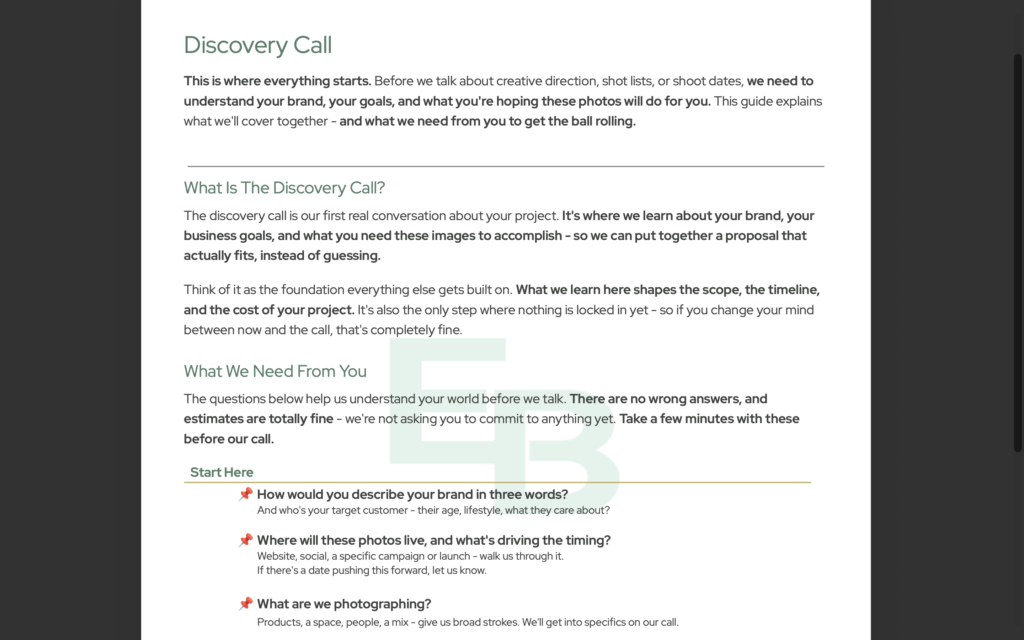
Instead, a strategic photographer will probably spend most of that conversation asking about your business.
Why?
Because until they understand what your images need to accomplish, it’s impossible to know what should actually be photographed.
Some of the questions you should expect include:
- Who are your ideal customers?
- Where will these images be used?
- What do you want people to feel when they see your brand?
- Are these images supporting a website refresh, a product launch, or ongoing marketing?
- Are there important deadlines or campaigns to plan around?
At first, these questions might not seem like they’re related to photography.
But they influence nearly every creative decision that follows.
For example, a homepage hero image has a completely different job than an image designed for an email campaign.
Photography for a seasonal promotion should be planned differently than evergreen images you’ll use repeatedly.
Without understanding the destination, it’s impossible to build the right roadmap.
What to Look For
Your photographer should spend as much time learning about your business as they do discussing the photoshoot itself.
From Strategy to Shoot Day
Once the business goals are clear, it’s time to build the plan.
This doesn’t happen in one marathon meeting.
Instead, the planning is broken into smaller conversations, each focusing on a different part of the project.
By the end, every major decision has already been made before shoot day arrives.
Building the Visual Direction
One of the biggest misconceptions about inspiration boards is that they’re meant to copy someone else’s photography.
They’re not.
Think of a mood board as a conversation.
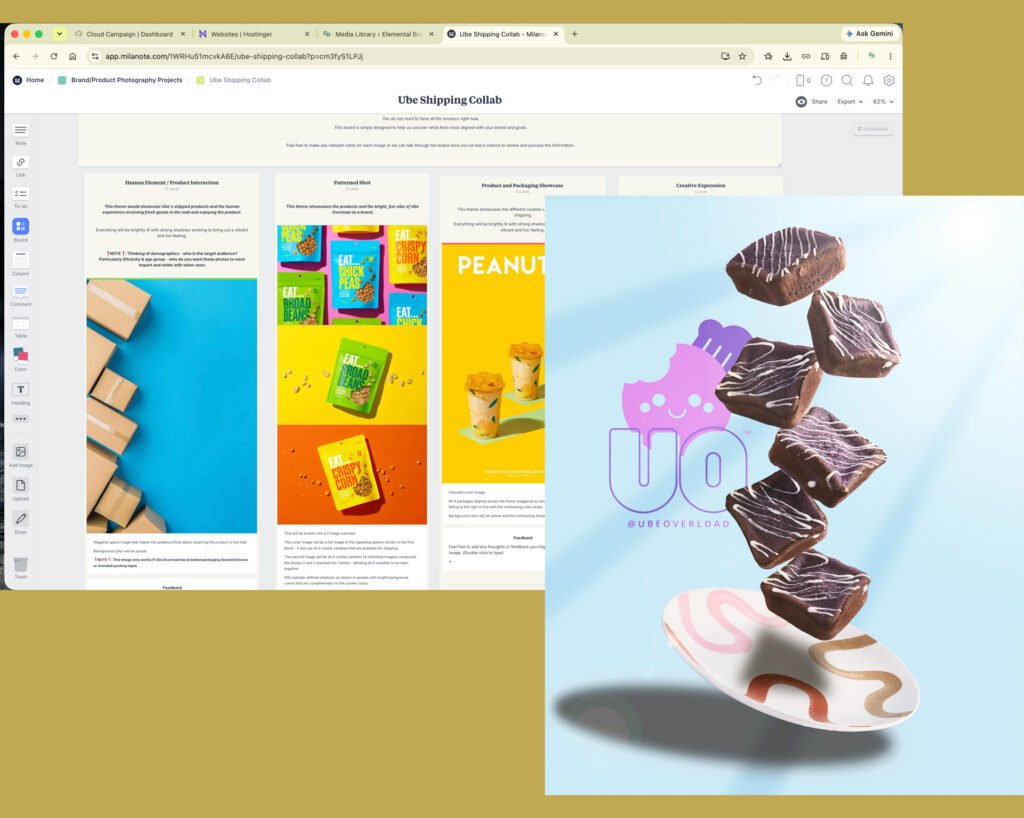
It’s a way to answer questions like:
- Should these images feel warm or modern?
- Relaxed or energetic?
- Bold or understated?
- Premium or approachable?
A handcrafted coffee roaster might naturally lean toward warm tones, textured surfaces, and authentic moments.
A luxury skincare company may benefit from bright, clean, minimal imagery that emphasizes refinement.
Neither approach is better.
They’re simply telling different stories.
Once everyone agrees on how the images should feel, decisions about lighting, color, composition, wardrobe, and locations become much easier because they’re all working toward the same goal.
What to Look For
A good photographer shouldn’t simply ask what images you like. They should help you understand why you like them and how that visual style supports your brand.
Turning Ideas Into a Marketing Plan
This is where many business owners are surprised.
A professional shot list isn’t just a checklist of photos.
It’s a marketing plan.
Every image should have a job.
Instead of asking,“What should we photograph?”
A strategic planning conversation asks:
- Which image will welcome visitors to your website?
- Which photographs tell your story on your About page?
- Which products deserve dedicated photography?
- What content will you need for future social media posts?
- Will these images be used in email marketing?
- Do advertisements need space for headlines or promotional text?
Those answers influence much more than the subject of the photo.
Sometimes the same scene is photographed both horizontally and vertically because each format serves a different purpose.
Sometimes negative space is intentionally left in the frame because future marketing materials will need room for text.
Sometimes evergreen content is prioritized alongside campaign-specific imagery to maximize the long-term value of the session.
By the time the photoshoot begins, there shouldn’t be any guessing about what needs to be created.
The plan is already in place.
What to Look For
Before shoot day, you should already know what images are being created – and why. If the plan is simply to “see what we get,” there’s a greater chance of missing the photographs your business actually needs.
Coordinating the Details
Think about everything that could delay or derail a photoshoot.
A product shipment arrives late.
The shooting location is locked.
Nobody knows where to park.
Wardrobe wasn’t finalized.
The weather changes.
A team member has to leave early or suddenly can’t participate.
None of those situations require a better camera.
They require better planning.
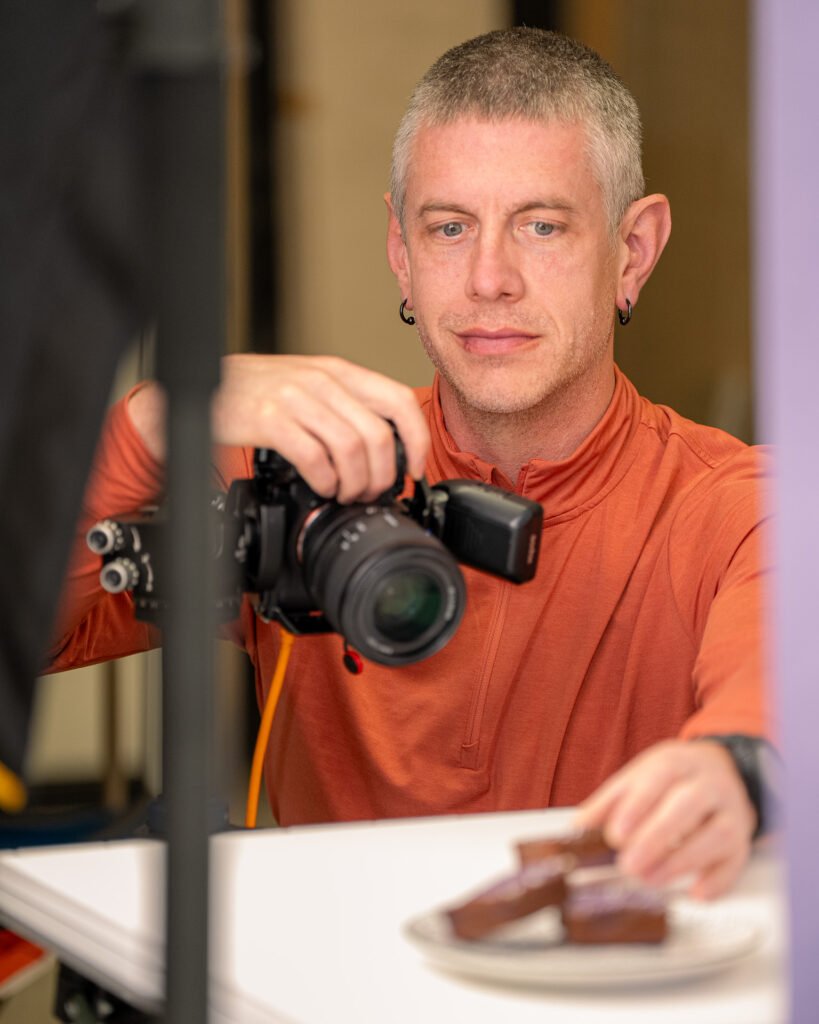
This is why professional photographers spend time coordinating details like:
- Locations and access
- Natural light and timing
- Weather backup plans
- Wardrobe
- Hair and makeup
- Props and products
- Team schedules
- Parking and equipment logistics
- A detailed timeline
These conversations may not be the most exciting part of the process, but they’re often what makes the biggest difference on shoot day.
When everyone knows where to be, what to bring, and what’s happening next, the entire team can stay focused on creating exceptional images instead of solving preventable problems.
What to Look For
A calm and productive photoshoot usually isn’t the result of luck. It’s the result of thoughtful preparation long before the first photograph is taken.
One Final Review
Before the cameras come out, every major planning decision should be reviewed one final time.
The creative direction.
The mood board.
The shot list.
The timeline.
Wardrobe.
Props.
Logistics.
This final review gives everyone the opportunity to ask questions, make adjustments, and confirm that nothing has changed.
By the time shoot day arrives, there shouldn’t be any surprises.
Everyone should know the plan.
Everyone should know the priorities.
Everyone should know what success looks like.
What to Look For
You should never arrive at a professional photoshoot wondering what’s going to happen. A thorough planning process creates confidence before anyone steps in front of the camera.
Why Isn’t It All Planned in One Meeting?
If all of this sounds like a lot of planning, you’re right.
So why not cover everything in one conversation?
Because making dozens of creative and logistical decisions in a single meeting is overwhelming.
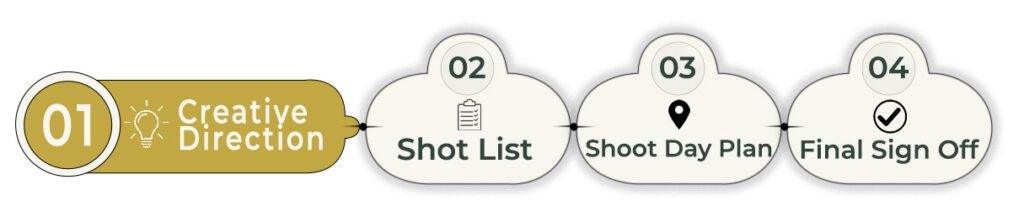
Breaking the planning process into smaller conversations gives everyone time to think.
Time to gather products.
Time to review wardrobe.
Time to refine ideas.
Time to ask better questions.
Each conversation builds naturally on the last, making every decision more thoughtful and every planning session more productive.
By the time shoot day arrives, everyone is working together to execute the plan.
Isn’t This a Lot of Work?
Absolutely.
But consider how long these photographs may represent your business.
The same images might appear on your:
- Website
- Social media
- Email campaigns
- Sales materials
- Print advertising
- Digital ads
- Trade show displays
- Press features
For months.
Sometimes years.
When photography is going to become one of the primary ways customers experience your brand, investing additional time in planning isn’t slowing the process down.
It’s protecting your investment.
The Camera Is the Last Step in a Successful Brand Photoshoot
Professional brand photography isn’t about having the newest camera or the biggest lighting setup.
It’s about understanding your business well enough to create images that communicate your story, build trust with your audience, and support your marketing goals.
The camera simply captures the plan.
That’s why the best brand photography begins long before anyone presses the shutter.
Because the most valuable photographs aren’t created by chance.
They’re created with intention.

If you’re considering professional brand photography, don’t be afraid to ask about the planning process before you book.
The answers will often tell you as much about the experience – and the final results – as the photographer’s portfolio ever could.
Ready to grow your business and create a gallery of images that capture attention? Let’s chat and talk about how we can create imagery that helps your brand grow!